Overview: The Three R’s
- Roles: Are we clear about our roles?
- Rules: What are the rules that govern our service, and are these applied consistently?
- Responsiveness: How do we react to people and situations? Are we reactive or reflective?
Roles
Are we clear about our roles and how do we achieve clarity?We need to attach roles to values, culture and ways of working:
- Being person-centred
- Having boundaries but being flexible
- Being well supported
- Having freedom to innovate and get things wrong
- Space for adaption to meet needs
In describing roles, we need to go beyond just a list of tasks and responsibilities
Healthy Role Boundaries
- Not being expected to work outside your remit
- Being confident and comfortable about not knowing everything, but knowing someone who does
- Having good relationships with people in other roles
- It being safe to ask questions
- Being supported when and where its needed
Roles and Trauma
How does your role expose you to direct and/or vicarious trauma?Need to be aware of the stress of working in a system that is very overstretched
- How do you deal with this?
- What support do you need?
How does your role contribute to other people’s trauma?
- Is it actively reducing it?
- Or it is retraumatising?
Rules
What are the rules that govern our service, and are these applied consistently?- Policies and processes that keep staff and service users safe
- Organisations being open to changing and reducing unnecessary rules—across all levels, service users, public facing workers, managers, leaders etc
- Language that is used to communicate rules
- Contracts that outline reciprocal responsibilities and expectations, not just those that apply to staff
When Rules Can Create Problems
- Rules can create barriers
- Fear to do things differently
- Stifles innovation and creativity and the space to do things differently
- Can make staff and service uses feel disempowered
- Breaking the rules can create positive change
- Rules need to be purposeful and enabling, rather than restricting, e.g. Flexibility in relation to what is going on in people’s lives outside work
Rules and Legislation
Some rules are grounded in legislation and cannot be easily changed,- E.g. around services for people who lack mental capacity
- Some such rules take a very long time to change.
- There is an interesting relationship between rules and behaviour, e.g. the impact of the smoking ban and smoking rates
Responsiveness
How do we react to people and situations?- Aiming to treat all people with respect regardless of what you know about them.
- Aiming to treat people with ‘unconditional positive regard’
- Having clear boundaries in terms of how we are spoken to and treated
- Understanding threat responses and how to respond to these
Example:
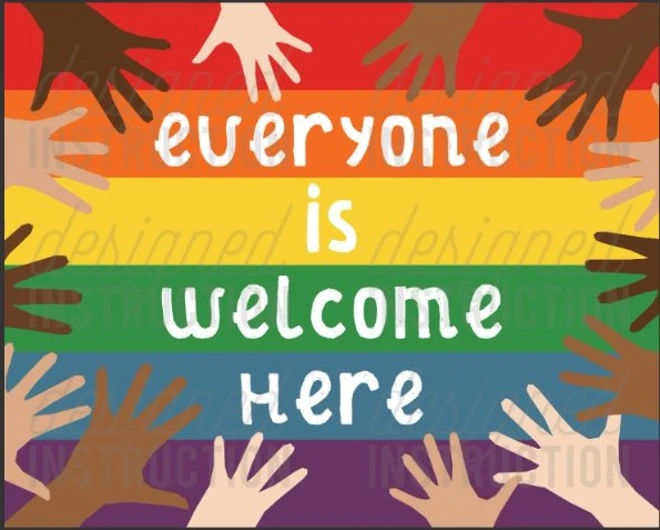
Messaging about expectation of mutually respectful behaviours and treatment
The Power of Positive Messaging
Reactive or Reflective?
Are we reactive or reflective?- Depends on the work being done, and the pressures people are under.
- Can be difficult to reflect before responding, in the moment.
- Sitting on it before responding, e.g. sending an email when we have calmed down!
- We might see or engage in avoidant behaviour rather than addressing difficult situations
Psychological Splitting and Unconscious Bias
- Is there ‘psychological splitting’ within a team, where different staff members see and treat service users differently?
- Unconscious bias training can help
- Learning spaces to talk about how and why people see and treat people differently
- Personal circumstances and experiences can impact on treatment
