Making the Case for Trauma-Informed Strategy and Legislation in England
Editors: Dr Anna Redding, Nicola Rushent, Emmerline Irving & Zoe Whittington


The Body Keeps the Score
Bessel Van der Kolk

The Boy who was Raised as a Dog
Bruce Perry

What Happened To You
Oprah Winfrey and Bruce Perry

When The Body Says No
Gabor Maté

In the Realm of Hungry Ghosts
Gabor Maté

The Power Threat Meaning Framework
Mary Boyle & Lucy Johnstone

Psychiatric Diagnosis
Lucy Johnstone

The Brightness of Stars
Lisa Cherry

The Prosecutor
Nazir Afzal

Creating Trauma Informed Organisations
Karen Treisman

What My Bones Know
Stephanie Foo

My Body Keeps Your Secrets
Lucia Osborne-Crowley

The Flying Child – A Cautionary Fairytale for Adults
Sophie Olson and Patricia Walsh

The Simple Guide to Complex Trauma and Dissociation
Betsy de Thierry

The Simple Guide to Understanding Shame in Children
Betsy de Thierry

I Thought it was Just me (but it isn’t)
Brene Brown

Daring Greatly
Brene Brown

Dare To Lead
Brene Brown

Unshame
Carolyn Spring

When the Adult Changes Everything Changes
Paul Dix

Trauma And Recovery
J Herman

Lazy, Crazy and disgusting: Stigma and the undoing of Global Health
Alexandra Brewis

The Myth of Normal
Gabor Mate

Understanding and Treating Chronic Shame
Patricia DeYoung

Shame and Grace
Patricia DeYoung

With the End in Mind: How to Live and Die Well
Kathryn Mannix

The Ideas Space has become one of Plymouth’s most creative, energising and hopeful places for system change. Led by Changing Futures Plymouth, it brought together partners, practitioners, and people with lived experience in a space designed for bravery, innovation and relational practice. Over nearly two years, it created a welcoming forum where anyone supporting people facing Severe and Multiple Disadvantage could explore ideas — whether tentative or fully formed — and shape them with others who care deeply about our city.
What emerged was a powerful model: small-scale funding paired with genuine human connection, collaborative thinking, and a trauma-informed ethos that prioritised beneficiaries above organisational interests.
In total, the Ideas Space supported dozens of grassroots projects, strengthened partnerships, and helped hundreds of people across the city. But its impact goes beyond the numbers — it has shown that when trust, creativity and lived experience sit at the centre, even modest investment can spark meaningful change. This evaluation captures that learning and lights the way for the next phase of innovation in Plymouth.

We would also like to take the opportunity to shout out the equally incredible Nicky Nurrish who many of you know as the founder of Marbles Lost and Found. This comprehensive and impeccably researched website serves as a directory of mental health services and self-help support with lived experience at its heart. Nicky shines a light for people trying to navigate their way through the mental health system drawing from her own lived experience and as a super skilled networker.
Nicky can be contacted
HERE

The Changing Futures evaluation of the Plymouth Three Lens Model shines a light on an ambitious, city-wide effort to bring clarity, compassion, and coherence to our mental health system. This pilot explored what happens when experienced mental health practitioners are embedded directly into the non-clinical teams who support people facing the greatest levels of distress and disadvantage.
The result is a powerful demonstration of what becomes possible when trauma-informed, strengths-based and diagnostic perspectives are brought together in one shared approach — making support easier to navigate, relationships stronger, and help more responsive to what people need in real time.
The model’s core aim is simple but transformative: to replace confusion with coherence, and to equip the city’s staff and services with a unified way of understanding mental health, distress, and recovery. It brings balance to a system often dominated by diagnosis alone, lifting up the equally vital voices of lived experience, adversity, resilience, connection and context.
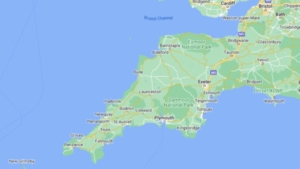
One of our incredible network members, Tiffany Player, has created the Devon & Cornwall Directory of services, resources, groups, and workshops offered across Devon & Cornwall (and the wider UK area). It is incredibly well-researched and extensive and she is keen that it is made available to anyone who needs it. The latest versions below (June 2024) have been helpfully arranged into areas! Tiffany is currently training to be a therapist and has worked in mental health services for 8 years. As so many of our network members do, she represents the strength that can grow from experiences of trauma and adversity.
For directory related queries, get in contact
HERE
